7 Benefits of Buying Land in Ibadan Instead of Lagos in 2026
Lagos Is No Longer the Only Smart Choice for Land Buyers
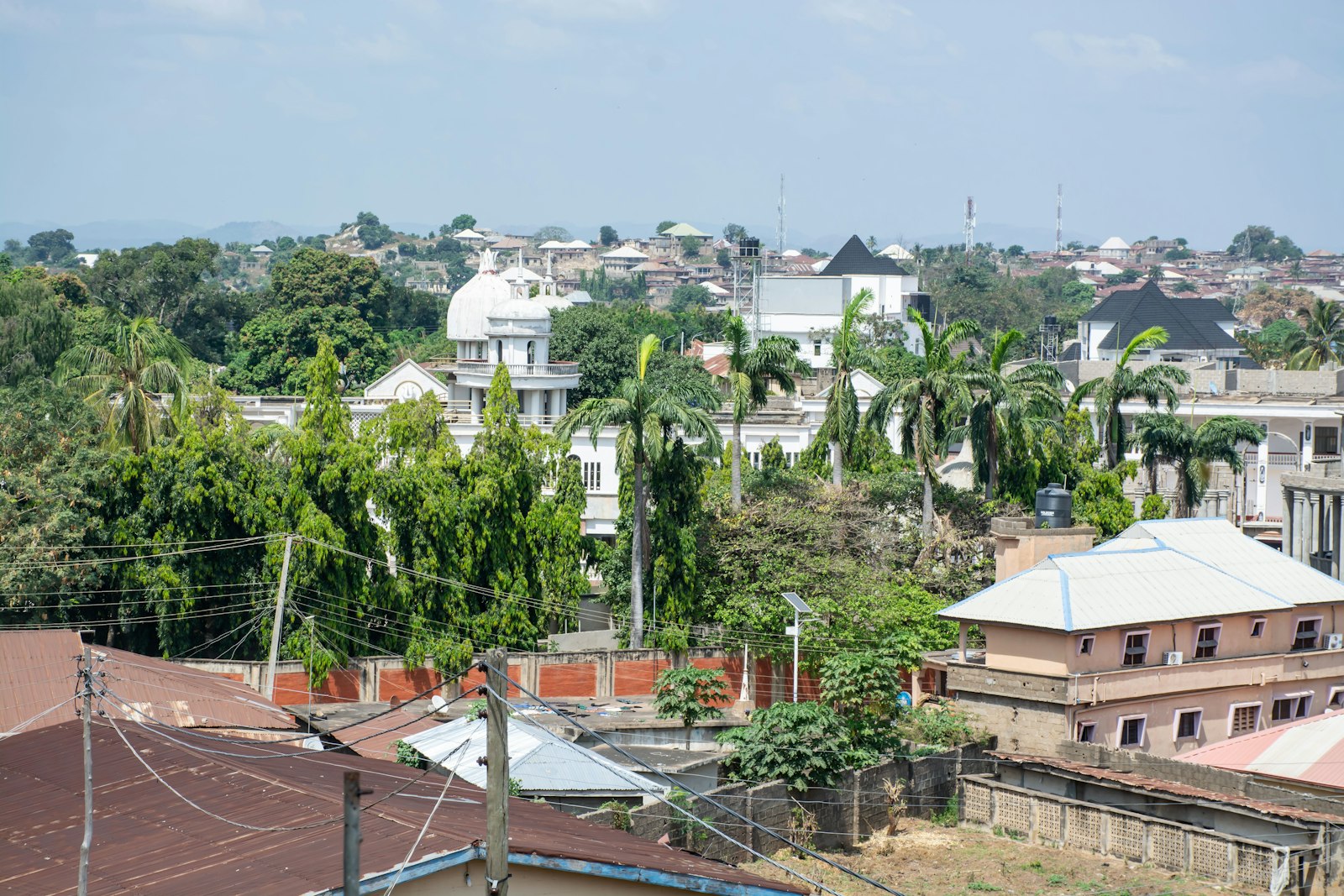
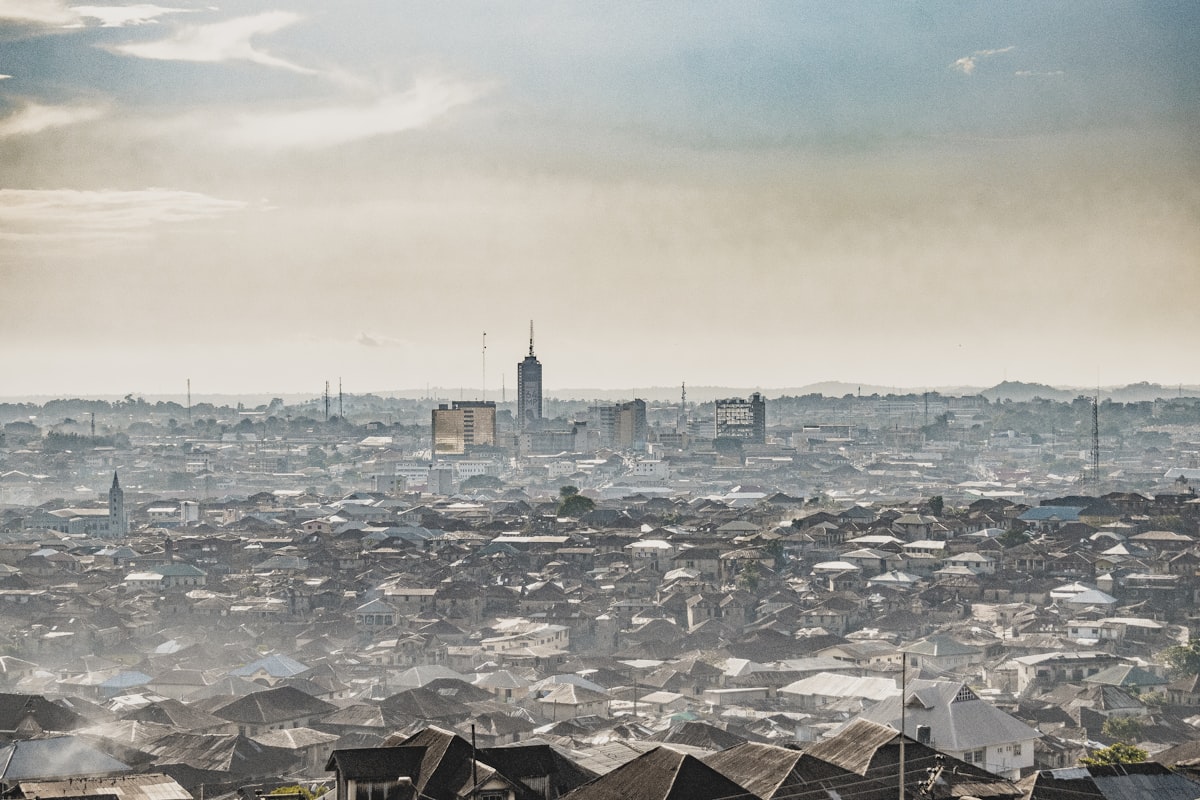
For decades, Lagos dominated every conversation about real estate in Nigeria. If you wanted to "invest in land," it meant buying somewhere in Ibeju-Lekki, Ajah, or along the Lekki corridor. But in 2026, a quiet shift is happening. A growing number of Nigerian investors, diaspora buyers, and first-time landowners are looking 120 kilometres north along the expressway to Ibadan.
The reason is simple: the numbers favour Ibadan. Lower entry prices, faster appreciation in emerging corridors, and a wave of government infrastructure spending are creating an opportunity that mirrors what early Lagos investors enjoyed 15 years ago. Here are seven concrete reasons why Ibadan deserves your attention this year.
1. Your Naira Stretches 3 to 4 Times Further in Ibadan
The price gap between Lagos and Ibadan is not a small margin. It is a multiple. According to PropertyPro.ng listings, a 300-square-metre plot in Lagos suburbs like Ibeju-Lekki or Epe now starts at ₦5 million and often exceeds ₦15 million in areas with verified titles. In Ibadan's fast-developing corridors like Moniya-Iseyin Road, Ido, and the Ayelaagbe axis, comparable plots range from ₦1.5 million to ₦3 million.
That 3x to 4x difference is not about quality. Ibadan plots in well-structured estates come with similar documentation: registered surveys, Deeds of Assignment, and in many cases, Governor's Consent or Gazette backing. The difference is that Ibadan's land market has not yet been squeezed by the speculative pressure that inflated Lagos prices over the past decade.
For a young professional earning between ₦300,000 and ₦500,000 monthly, buying a plot in Lagos might take five to eight years of aggressive saving. In Ibadan, the same discipline could secure a plot in 12 to 18 months.
2. Appreciation Rates in Ibadan's Growth Corridors Are Outpacing Many Lagos Suburbs
Ibadan's real estate market is not just cheap. It is growing fast. According to NaijaEstate's 2026 Ibadan Market Outlook, parcels that sold for ₦1.2 million in 2022 now trade for ₦3 million to ₦4 million in prime estate layouts. That is a 150% to 230% gain in roughly four years.
The Nigeria Housing Market's 2026 forecast notes that emerging hotspots linked to infrastructure could achieve 10% to 15% annual appreciation, while fully developed high-end districts in Lagos sit closer to 5% to 8%. For investors who care about percentage returns rather than absolute naira values, Ibadan's growth corridors are delivering stronger performance.
Land in areas along the Moniya-Iseyin Expressway and the Ibadan Circular Road alignment has seen some of the most dramatic price movements, driven by proximity to ongoing government projects.
3. A ₦445 Billion Infrastructure Boom Is Reshaping the City
Ibadan in 2026 is a construction zone in the best possible sense. The Oyo State Government's 2026 budget allocates ₦210 billion to infrastructure alone, and several transformative projects are already underway:
- The Ibadan Circular Road (110km): The Rashidi Ladoja Circular Road will link all major entry and exit points of the city. The Oyo State Executive Council recently approved ₦235 billion for the second lot (39km), and ₦5.8 billion has already been paid to compensate over 900 property owners along the route. This road is doing what the Lekki-Epe Expressway did for Ibeju-Lekki: opening up previously inaccessible land corridors.
- Airport Expansion: The Samuel Ladoke Akintola International Airport is being upgraded from a facility handling roughly 100,000 passengers annually to a new terminal designed for 1,000,000 passengers per year. The runway has been widened from 45 to 60 metres and extended to 3,000 metres to accommodate larger international aircraft.
- The Ilu-Tuntun Smart City: A modern satellite city being developed in the Akinyele-Egbeda corridor to decongest the Ibadan core, bringing planned residential and commercial districts to previously rural land.
- Moniya-Iseyin Road: This corridor connects Ibadan to northern Oyo State and is already driving land price increases in communities along its path.
Infrastructure precedes price explosions. Every major land boom in Lagos was triggered by road construction or government projects. Ibadan is following the same playbook, but the entry window is still open.
4. Population Growth and Lagos Overflow Are Creating Unstoppable Demand
Ibadan's population is estimated at over 4 million residents in 2026, making it one of Nigeria's largest cities. It was ranked 22nd among Africa's fastest-growing cities and is projected to reach 8.7 million by 2050.
But the most important demand driver is not organic growth. It is Lagos overflow. As Lagos housing costs continue to rise, a growing number of middle-income earners, remote workers, and small business owners are relocating to Ibadan for its lower cost of living while maintaining Lagos-level incomes. The modern Lagos-Ibadan express rail system has made this lifestyle viable, turning Ibadan into a commuter city for some and a permanent destination for many others.
Industrial warehouses and logistics companies are also migrating to Ibadan to access cheaper land while remaining connected to Lagos port infrastructure. This commercial migration is pushing up demand for both residential and commercial land.
5. Land Outperforms Most Savings Instruments in Real Terms
With the CBN's Monetary Policy Rate holding steady at 26.5% as of May 2026, many Nigerians assume their money is working hard enough in savings accounts. But the reality is different.
The benchmark savings deposit rate sits at just 7.95% per annum. Even high-yield options like Kuda's fixed savings (up to 12%) or Cowrywise goal plans (approximately 13.85%) fall short of Nigeria's inflation rate, which remains elevated above 15%. Treasury bills offer 18% to 22%, but returns are fully naira-denominated with no asset backing.
Land in Ibadan's emerging corridors, meanwhile, has delivered 30% to 50% annualized appreciation in many layouts over the past three years, based on market transaction data. Even conservatively, well-located land tracks or beats inflation because it is a physical asset whose replacement cost rises with construction material prices, labour costs, and demand.
The question is not whether land is a perfect investment. It is whether leaving your savings in a bank account losing value to inflation is any better.
6. Fewer Land Disputes and a More Organized Title System
One of the biggest fears for Nigerian land buyers is the "Omo Onile" problem: land grabbers, disputed titles, and family land conflicts. While no market is completely free of disputes, Ibadan's land system has structural advantages over parts of Lagos.
Much of the developable land in Ibadan's growth corridors falls under organized communal ownership with established family head structures. The Oyo State Government's recent move to compensate over 900 property owners along the Circular Road, verified and paid through structured channels, demonstrates a more organized land documentation culture.
Working with reputable developers who conduct proper due diligence adds another layer of protection. Properties in properly structured estates come with:
- Registered Survey Plans filed with the Surveyor General's office
- Deed of Assignment executed by a legal practitioner
- Governor's Consent or Gazette backing where applicable
- Receipt of purchase and Contract of Sale
The key lesson: buying land through a verified developer with proper documentation is safer than chasing cheap "family land" deals in any city.
7. A Quality of Life That Complements Your Investment
Ibadan is not just an investment destination. For those who plan to build and live on their land, the city offers a quality of life that Lagos increasingly cannot match.
Average commute times in Ibadan are a fraction of what Lagos residents endure. The cost of living, from food to housing to transportation, runs 40% to 60% lower. The city is home to the University of Ibadan, the University College Hospital, and a growing ecosystem of tech hubs and co-working spaces attracting young professionals.
The greenery and space that define much of Ibadan's suburban areas offer something that Lagos density has steadily erased: room to breathe. For families planning their first home, or retirees thinking about where to build a quiet compound, Ibadan provides options that simply do not exist at the same price point in Lagos.
What This Means If You Are Ready to Invest
Ibadan in 2026 is at an inflection point. The infrastructure is being built right now. Prices are rising but still accessible to middle-income earners. The population is growing, and the Lagos overflow effect is accelerating.
Every real estate market has a window where early movers capture the biggest gains. Lagos had its window in the mid-2000s when Lekki Phase 1 plots sold for what today would not buy a car parking space. Ibadan's window is open today, but the speed of infrastructure delivery and investor interest suggests it will not stay open indefinitely.
Take the Next Step with Land Republic
At Land Republic, we offer verified, properly documented land in Ibadan's fastest-growing corridors, including estates along the Moniya-Iseyin axis, Ido, and the Ayelaagbe area. Our properties come with registered surveys, flexible payment plans, and a track record of transparent transactions.
Whether you are a first-time buyer looking for an affordable entry point or a seasoned investor positioning for long-term appreciation, we can help you find the right plot.
Call us today at +234 812 222 2283 or explore our available properties to see what is waiting for you in Ibadan.