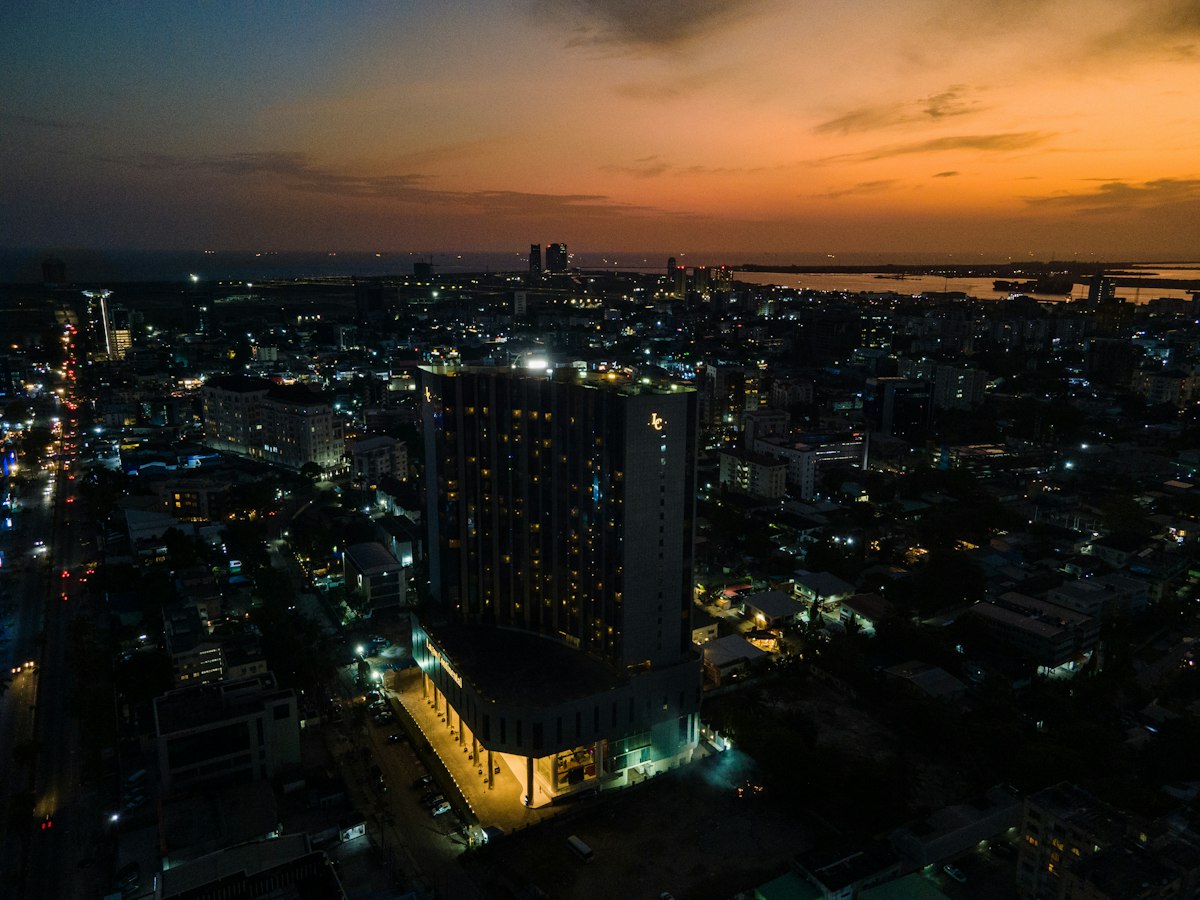
Ibadan Circular Road 2026: How a 110km Highway Is Reshaping Land Prices Across Oyo State

What Is the Ibadan Circular Road?
The Ibadan Circular Road is a 110-kilometre highway designed to loop around the entire Ibadan metropolis, connecting all major zones of Oyo State's capital city. The project, championed by the Oyo State Government, addresses decades of traffic bottlenecks that have constrained movement between Ibadan's key commercial and residential districts.
The first phase, a 32km stretch known as the South-East Wing, runs from the Lagos-Ibadan Expressway to Badeku Village on the Ibadan-Ile Ife Expressway. According to the Oyo State Commissioner for Public Works, this phase is set for delivery before year-end, with 368.9 kilometres of roads already completed across the state during this administration.
For land investors, this is significant. History shows that major ring roads in Nigerian cities (the Lekki-Epe Expressway, Abuja's Outer Ring Road) trigger immediate price surges in the corridors they open up. Ibadan's Circular Road is following the same pattern.
How the Circular Road Is Driving Land Prices Up
Before this road, large sections of south and east Ibadan were accessible only through congested inner-city routes. Areas like Badeku, Omi-Adio, and stretches beyond Oluyole were functionally cut off from the expressway network. That isolation kept prices low.
Now that the road is nearing completion, those same areas are being repriced by the market. According to data from PropertyPro Nigeria, land in Ibadan's peri-urban zones has appreciated between 8% and 15% annually since 2023, with areas directly along new road corridors seeing the steepest gains.
This aligns with broader national trends. The Africanvestor reports that secondary cities like Ibadan are posting 8% to 10% annual growth, compared to Lagos's more volatile 10% to 15%. The difference is that Ibadan's entry prices are a fraction of Lagos's, meaning percentage returns translate to stronger multiples on initial capital.
Where to Buy Along the Circular Road Corridor
The South-East Wing creates a clear investment corridor. Here are the zones to watch:
Ido Axis
The Ido area sits at the intersection of the Circular Road corridor and the Lagos-Ibadan Expressway feeder routes. Land here currently ranges from ₦2,000 to ₦15,000 per square metre depending on proximity to the road and estate development status. Properties like The Pearl Residence by Land Republic offer verified plots in this growth zone at structured pricing with proper title documentation.
Badeku-Oluyole Extension
As the terminal point of the first phase, Badeku is transitioning from a rural settlement into a connected suburban node. Early buyers in this corridor are positioning for the same type of appreciation that hit Sangotedo and Bogije when the Lekki-Epe Expressway reached those areas.
Moniya-Akinyele Corridor (North)
While the South-East Wing gets the most attention, the northern sections near Moniya benefit from a double catalyst: the Circular Road's eventual connection and the Ibadan Inland Dry Port at Akinyele. Pre-launch land in Moniya is currently available at approximately ₦2,000 per square metre for raw plots, according to market listings.
The Dry Port and Railway: Multiplier Infrastructure
The Circular Road does not operate in isolation. Two other federal projects are amplifying its impact on Ibadan's property market:
Ibadan Inland Dry Port (Akinyele): Approved by the Federal Government and currently under development, this facility will handle containerised cargo diverted from Lagos ports. The Nigerian Railway Corporation relaunched the Apapa-Ibadan Standard Gauge Rail for container haulage in February 2025, creating a direct freight link between Lagos ports and Ibadan's hinterland. The Oyo State Government has sought a 15% equity stake in the project, signalling its long-term economic importance.
Lagos-Ibadan Expressway Phase 2: The Federal Executive Council approved over ₦43 billion for Phase II completion, which includes underpasses at Kara, Wawa, Magboro, and Arepo, plus flyover bridges at Kilometre 16 (MFM) and Kilometre 37 (Makun, Sagamu). This reduces the Lagos-Ibadan commute time, making Ibadan residential property viable for professionals who work in Lagos but want affordable land.
These projects collectively transform Ibadan from a stand-alone secondary city into a connected economic node within the Lagos megacity corridor. For property investors, this connectivity premium drives sustained demand and price appreciation.
Ibadan Land Prices in 2026: Current Data
Based on active market listings from Nigeria Property Centre and Private Property Nigeria, here is what land costs in Ibadan today:
| Location | Price Range (per sqm) | Typical Plot (500sqm) |
|---|---|---|
| Inner City (Jericho, Bodija) | ₦80,000 - ₦100,000 | ₦40M - ₦50M |
| GRA/Akala Expressway | ₦50,000 - ₦100,000 | ₦25M - ₦50M |
| Ido/Circular Road Corridor | ₦2,000 - ₦15,000 | ₦1M - ₦7.5M |
| Moniya/Akinyele (Dry Port Zone) | ₦2,000 - ₦5,000 | ₦1M - ₦2.5M |
| Oluyole Extension/Badeku | ₦5,000 - ₦20,000 | ₦2.5M - ₦10M |
The contrast is stark. Investors entering at ₦1M to ₦7.5M in growth corridors are buying at 5% to 15% of what equivalent plots cost in established Ibadan neighbourhoods. If the Circular Road delivers even half the appreciation seen along other Nigerian highway corridors, these entry prices represent significant upside.
Why Lagos Buyers Are Moving to Ibadan
Ibadan's metro population reached 4.14 million in 2025, growing at 3.5% annually according to MacroTrends. Much of this growth is driven by Lagos residents seeking affordable alternatives. Rising rents and cost-of-living pressures across the Southwest region are pushing professionals toward Ibadan, where land and housing remain accessible.
The numbers support this migration trend. The National Bureau of Statistics reported that Nigeria's real estate sector grew 5.3% in Q3 2024, making it the third-largest GDP contributor, surpassing oil and gas. By Q1 2025, the sector's quarterly nominal contribution reached ₦16.42 trillion, representing 17.4% of quarterly GDP.
For Ibadan specifically, this means demand is structural, not speculative. People need housing, and the city's infrastructure investments are making it a credible alternative to Lagos's increasingly unaffordable market.
What Smart Investors Are Doing Now
The opportunity window in Ibadan's Circular Road corridor is open but narrowing. The pattern is predictable: once road construction reaches visible completion, local and diaspora buyers flood the market, and prices jump 20% to 40% within 12 to 18 months. This happened along the Lekki corridor. It happened in Bogije. It is beginning in Ibadan.
Smart investors are taking three steps:
- Buying before commissioning: The 32km first phase is nearing delivery. Plots purchased now benefit from the full appreciation curve once the road opens to traffic.
- Choosing estate-based land: Verified estates with proper survey documentation, gazette, and excision reduce the title risk that plagues open-market land purchases in Nigeria.
- Targeting dual-catalyst zones: Areas that benefit from both the Circular Road and another infrastructure project (dry port, expressway, railway) offer compounded growth potential.
How to Buy Verified Land in Ibadan
Land Republic operates multiple estates across the Ibadan growth corridor, including Premier City Phase I, Premier City Phase II, and The Pearl Residence in Ido. Each property comes with verified title documentation, clear survey plans, and transparent pricing with flexible payment options.
Whether you are a first-time land buyer or an experienced investor adding Ibadan to your portfolio, the process starts with a free consultation. Speak to the Land Republic team to understand which estate aligns with your budget and investment timeline.
Call or WhatsApp: +234 812 222 2283
Visit www.landrepublic.co to explore all available properties, view pricing, and schedule a site inspection.