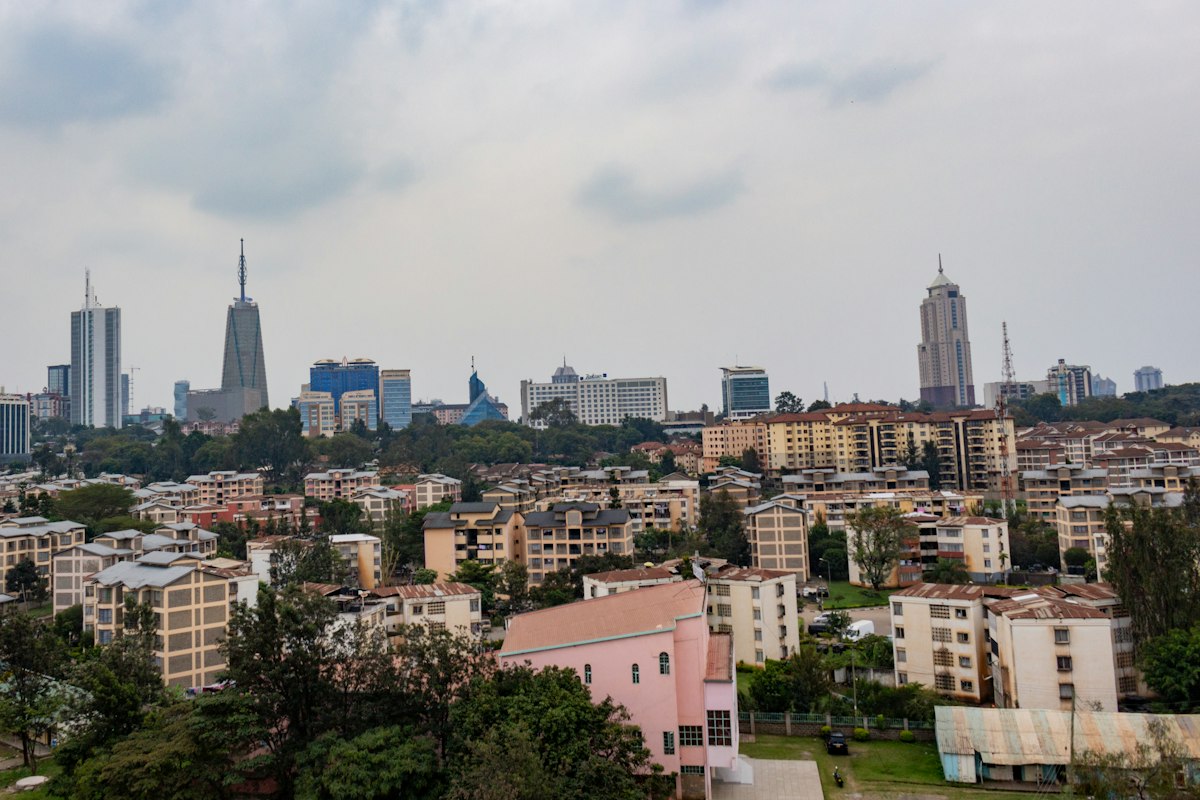
Land for Sale in Ido Ibadan: Prices, Growth Drivers, and Why Smart Investors Are Buying Now
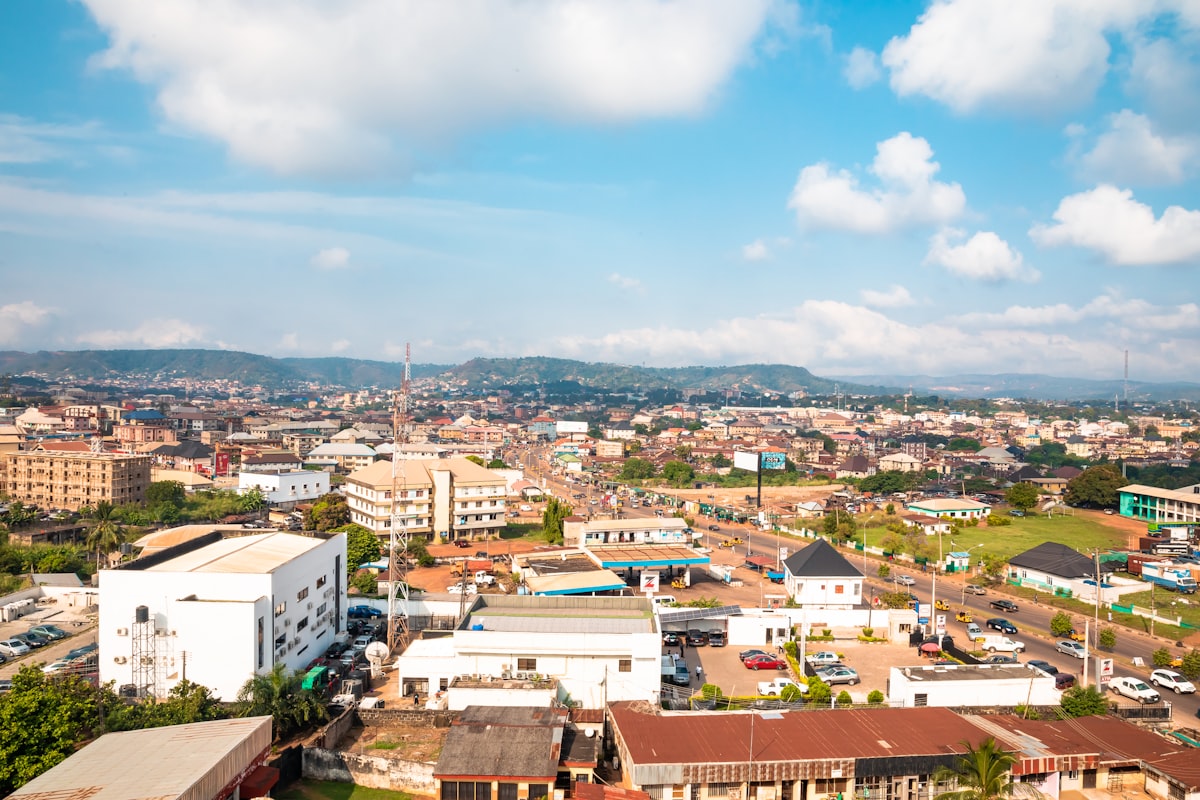
Why Ido Is Emerging as Ibadan's Next Growth Corridor
Ido Local Government Area sits on the western edge of Ibadan, roughly 20 minutes from the University of Ibadan campus and less than 40 minutes from the city centre. For years, it was considered the quiet outskirts of a city already famous for being affordable. That story is changing fast.
A combination of government road projects, a growing population, and rising land prices in central Ibadan neighbourhoods is pushing demand outward into areas like Ido. According to Nigeria Property Centre, listed land in Ido ranges from ₦2 million to ₦4 million per plot. That is a fraction of what comparable plots cost in Jericho (₦30 million and above) or Bodija. This price gap is exactly what creates the opportunity for investors who move early.
Across Nigeria, the pattern repeats itself: once infrastructure reaches a suburb, land prices follow. Moniya, for example, saw plots jump from ₦1.2 million in 2022 to ₦3 to ₦4 million today. Ido is now at the stage where infrastructure is arriving but prices have not yet caught up. That is the window smart investors want to be in.
Current Land Prices in Ido, Ibadan (2026)
If you are shopping for land in Ido today, here is what you can expect to pay based on current market listings:
- Residential plots (500 to 600 sqm): ₦2 million to ₦4 million, depending on proximity to tarred roads, estate features, and title documentation quality.
- Acre-sized parcels: Starting from around ₦2 million per acre along the Ido-Eruwa axis, according to listings on Jiji.ng.
- Estate land with structured layouts: ₦2.5 million to ₦5 million per plot in managed estates that include perimeter fencing, road networks, and verified title documents.
For context, Nigeria Property Centre puts the average price of estate land in Ibadan at ₦30 million per plot. Ido's entry point is roughly 85% to 90% lower than that average, making it one of the most accessible investment corridors in the entire state.
What makes these prices significant is the trajectory they are on. According to NaijEstate's 2026 Ibadan market report, land prices across the city are rising by approximately 25% every six months. Ido, still at the early stage of this growth curve, stands to benefit the most as infrastructure projects reach the area and new residents move in.
Infrastructure Projects Driving Growth in Ido
The Ibadan Circular Road
The single biggest catalyst for land price growth across Ibadan's suburbs is the Senator Rashidi Ladoja Circular Road. Originally conceptualised as a 110-kilometre ring road, the project is designed to decongest the city centre, open new residential and commercial corridors, and support the Ibadan City Master Plan that was adopted in 2017.
The project is not theoretical. According to the Nigerian Tribune, the first 32 kilometres are at 70% completion and expected to be commissioned by the end of 2026. The road has a 150-metre right-of-way on each side, later expanded to 1 kilometre to accommodate a full urban corridor development spanning 2,616 hectares of mixed-use space.
The results are already visible. Properties along the route in areas like Ajia and Ologuneru have already seen 40% appreciation in the last 12 months, according to Punch. Ido sits within the broader catchment zone of this corridor. As the road opens up access and the urban district takes shape, land in Ido will benefit from the same wave of demand that has already lifted values in the neighbourhoods closest to the construction.
Local Road Construction in Ido LGA
Beyond the circular road, the Ido Local Government itself is investing in road infrastructure. A recent public procurement notice invited contractors to bid for the construction of alternative routes connecting the Old CBN Estate, Owode, and Apata areas within Ido LGA.
These smaller road projects matter because they improve last-mile access. In Nigerian real estate, last-mile access is often the deciding factor for residential development. Once you can drive to a plot without navigating unpaved roads, that plot becomes viable for housing and the price adjusts accordingly. The fact that Ido's local government is actively commissioning these roads signals confidence in the area's growth trajectory.
At the federal level, the government has also signed fresh road contracts for the dualisation of the Ibadan-Ijebu Ode Road, further improving connectivity between Ibadan and surrounding regions.
The Macroeconomic Case for Buying Land Now
The numbers at the national level also favour land investment in 2026. The Central Bank of Nigeria's Macroeconomic Outlook Report projects GDP growth of 4.49% for the year and forecasts headline inflation to moderate to 12.94%, down sharply from 21.26% in 2025. Inflation has already dropped to 14.45%, its lowest level in over three years, and the CBN has begun cutting interest rates.
What does this mean for land buyers? Lower inflation reduces the cost of building materials and construction labour, making it more affordable to develop land after purchase. Rate cuts are making mortgage financing more accessible. And a growing economy means more Nigerians have the purchasing power to buy land and build homes, which pushes demand upward.
According to Statista's market forecast, Nigeria's real estate market is anticipated to reach a value of US$2.42 trillion by 2026. A meaningful share of that growth is flowing to cities like Ibadan, where land remains affordable relative to Lagos and Abuja but where infrastructure investment is accelerating.
Ibadan itself is growing. According to MacroTrends data, the Oyo metro area's population grew 3.69% year-over-year in 2025, reflecting a broader trend of internal migration toward cities with improving infrastructure and lower cost of living. More people moving in means more demand for housing, and more demand for housing means higher land values in areas where supply still exists. Ido, with its combination of available land and improving access, is positioned to absorb much of this growth.
Why Ido Specifically? The Location Advantage
Ido's appeal is not just about low prices. The area offers genuine location advantages that support long-term value growth:
- Proximity to institutions: The University of Ibadan, The Polytechnic Ibadan, and Lifeforte International School are all within a short drive. These institutions create steady demand for housing from staff, students, and the businesses that serve them.
- Access to major roads: The Ido-Eruwa Road and the Apata-Ido corridor already link the area to central Ibadan. As the Circular Road project expands, connectivity will improve significantly.
- Low density with high potential: Unlike established Ibadan neighbourhoods where available land is scarce and premium-priced, Ido still has significant open land suitable for residential estates, mixed-use development, and agricultural investment.
- Government investment signals: Both the Oyo State government's infrastructure development programme and the Ido LGA's own road projects point to the area being part of the state's formal growth plans for the coming decade.
What to Verify Before You Buy Land in Ido
While the investment case is compelling, buying land in any Nigerian market requires thorough due diligence. Here are the key factors to verify before committing your money:
- Title documentation: Confirm that the land has a valid title. Look for a Certificate of Occupancy (C of O), Governor's Consent, or at minimum a registered Survey Plan and Deed of Assignment. Properties within managed estates typically come with these documents already in place.
- Survey and boundary verification: Hire a licensed surveyor to confirm the exact boundaries of the plot. This protects you from encroachment disputes, which remain common in peri-urban areas.
- Road access: Check whether the plot is accessible via tarred or graded roads. Land along proposed road routes may be cheaper now but could appreciate significantly once construction begins.
- Family land history: In areas like Ido, some land originates from family or communal ownership. Ensure the seller has the legal authority to sell and that all relevant family heads have consented to the transaction in writing.
- Work with reputable developers: Purchasing through an established real estate company reduces risk significantly. Reputable developers handle title perfection, surveying, and estate infrastructure development on your behalf, so you are not navigating those processes alone.
Land Republic Estates in Ido, Ibadan
Land Republic operates two estates in the Ido corridor: The Pearl Residence and Ilu Ayo. Both estates offer structured plots with verified title documents, estate infrastructure including road networks and perimeter fencing, and flexible payment plans designed for both investors and homebuilders.
What sets Land Republic apart is the transparency of the buying process. Every property comes with proper documentation, clearly marked boundaries, and a dedicated support team that walks you through every step from initial inspection to final allocation.
Take the Next Step
Ido is at that sweet spot where prices are still affordable but the growth drivers are already in motion. The Circular Road, local road projects, and favourable macroeconomic conditions are converging to create a window of opportunity. The question is not whether prices will rise, but how much they will have risen by the time you decide to act.
If you are ready to explore available plots in Ido, Ibadan, or want to learn more about Land Republic's estates in Oyo State, contact the team today:
Call or WhatsApp: +234 812 222 2283
Browse all available properties at landrepublic.co/properties.