Land for Sale in Ogun State: Prices, Growth Data, and Where to Invest Before 2027
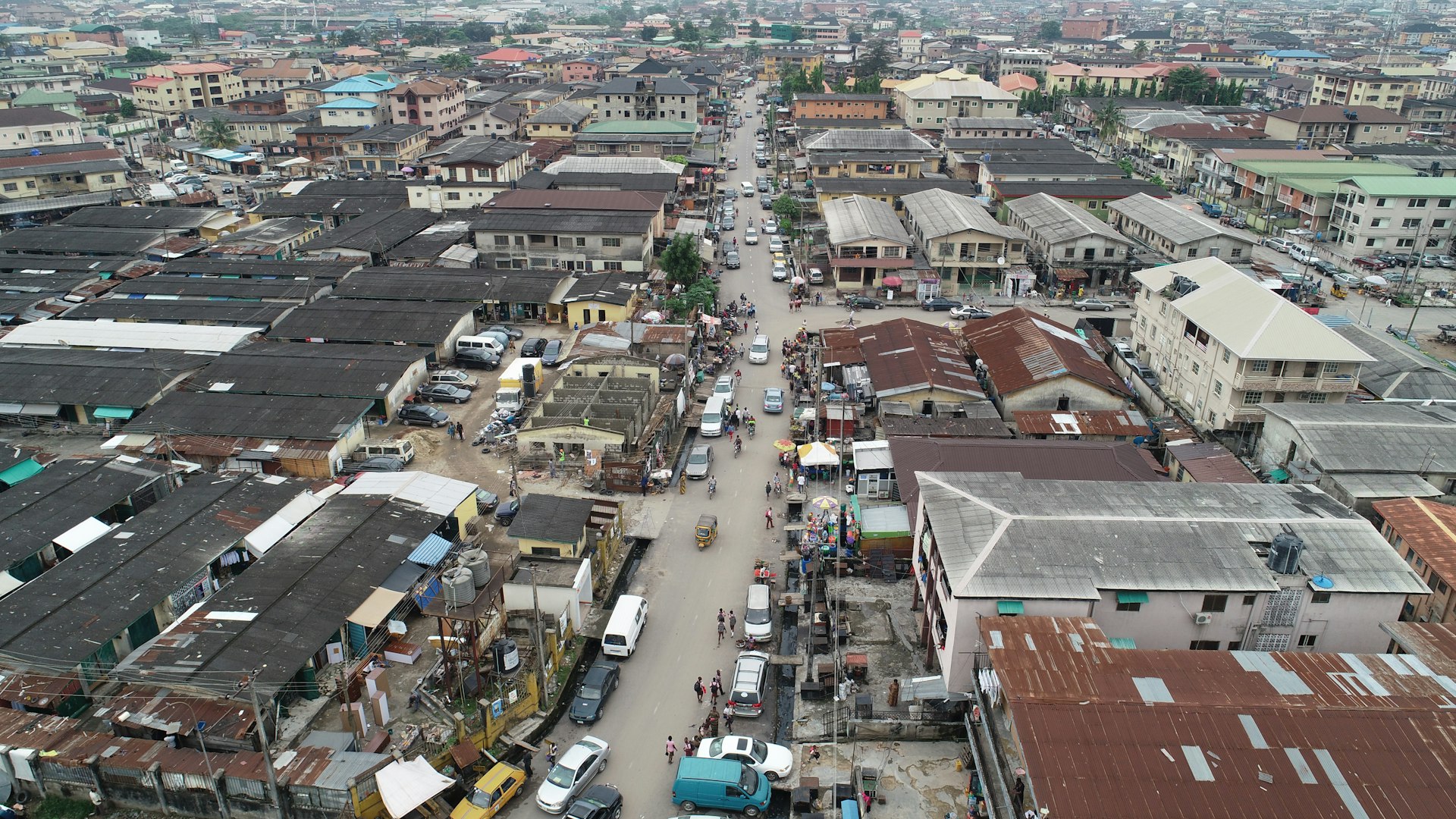
Why Ogun State Has Become Nigeria's Breakout Real Estate Market
Ogun State has quietly overtaken most of Nigeria's property markets in price growth. According to a 2024 BuyLetLive report, property prices in Ogun rose 30.48% in a single year, second only to Lagos at 39.46%. For land buyers, that figure is significant: a plot purchased for ₦5 million at the start of 2024 was worth roughly ₦6.5 million by year's end.
What's driving this? Three factors converge. First, Lagos continues to push buyers outward as prices in areas like Lekki and Ajah climb beyond the reach of most Nigerians. Second, the Lagos-Ibadan Expressway has turned towns along Ogun's southern border into genuine commuter corridors. Third, the Ogun State government has committed serious capital to infrastructure and industrial development, creating the conditions for sustained land value growth.
For investors still weighing where to put their money before 2027, here is what the data shows and where the opportunities lie.
What the Numbers Say: Land Prices Across Ogun State in 2026
According to Nigeria Property Centre, the average asking price for residential land in the Mowe-Ofada corridor stood at approximately ₦7.5 million as of August 2026. Standard plot sizes range from 300 to 500 square metres, with 300sqm plots starting around ₦4.5 million and 500sqm plots reaching ₦7 million to ₦15 million depending on title status and estate infrastructure.
Compare that with Lagos, where a similar plot in Ajah or Lekki Phase 2 regularly exceeds ₦30 million, and the value proposition becomes clear. Ogun State offers land with verified titles at a fraction of the Lagos price, often with better documentation (C of O availability) and less contested ownership histories.
BusinessDay reports that land in the broader Lagos-Ogun corridor trades between ₦18,000 and ₦105,000 per square metre, depending on proximity to major roads and industrial zones. The wide price range reflects the diversity of the market: plots closer to the expressway command premiums, while quieter residential areas offer entry points that first-time buyers can still afford.
The Infrastructure Engine: What Is Driving Ogun State's Land Values
The Ogun State government's 2026 budget tells a compelling story. At ₦1.668 trillion, it represents a 58% jump from the 2025 figure of ₦1.054 trillion. A significant portion of this spending targets logistics, roads, and industrial zones.
The numbers behind the infrastructure push are hard to ignore:
Roads: Governor Abiodun's administration has built or rehabilitated over 1,600 kilometres of roads across the state. A reconstructed 42-kilometre interchange linking Lagos and Abeokuta has opened up new residential and commercial corridors along that route.
Industrial investment: In September 2026, Ogun State signed memoranda of understanding with DP World for the Gateway Deep Sea Port, with an initial investment commitment exceeding $7 billion. A proposed $10 billion LNG project has also been announced. These are transformative projects that, once operational, will create thousands of jobs and generate sustained demand for housing and commercial space nearby.
Power: The state has partnered on approximately 1,100 MW of solar generation capacity, including a 500MW solar PV manufacturing plant. Reliable electricity is one of the biggest constraints on Nigerian property values; states that solve it see faster appreciation.
Private sector activity: Companies like Mamuda Beverages ($50 million plant) and several Chinese and Moroccan manufacturers have committed to new facilities in Ogun. Industrial demand for land does not just raise prices in industrial zones; it lifts residential values in surrounding areas as workers need homes, shops, and services.
Where to Buy: Ogun State's Top Growth Corridors
Mowe-Ofada Corridor
Mowe-Ofada sits along the Lagos-Ibadan Expressway, roughly 45 minutes from Lagos. This corridor has seen the most concentrated residential development in Ogun State, driven by its accessibility to Lagos jobs and relatively affordable land. With plots starting at ₦4.5 million for 300sqm, it remains one of the most accessible entry points for Nigerian investors seeking titled estate land.
The area benefits from proximity to the Redemption Camp, which draws consistent traffic and commercial activity. New estates have proliferated, many offering C of O titles, perimeter fencing, and basic infrastructure. For investors looking at the 2 to 5-year horizon, Mowe-Ofada offers a strong balance of affordability and appreciation potential.
Mowe Prime by Land Republic is one of the well-structured estate developments in this corridor, offering verified titles and payment plans that make entry realistic for salaried professionals.
Lagos-Abeokuta Expressway Corridor
The recently reconstructed 42-kilometre interchange has opened up a second major growth axis. Areas along this corridor are attracting both residential and light-industrial interest, particularly from businesses that want proximity to Lagos markets without Lagos operating costs.
Land prices here are still below the Mowe-Ofada average in many pockets, making it a corridor worth watching for investors who prefer to buy early in a growth cycle.
Why Now? The Case for Buying Before 2027
Three factors make the next few months a strategic window:
Pre-election pricing: Nigeria's 2027 election cycle is expected to introduce the typical pre-election caution into the market. Industry analysts note that investment typically slows during campaign seasons as the market waits to see whether economic policies will continue. That means prices may plateau briefly during the election window, but the underlying demand drivers (population growth, urbanisation, infrastructure) don't stop. Buying before the election window opens means securing today's prices before post-election demand resumes.
Infrastructure milestones: Several of the major projects announced in 2026, including the deep sea port and the solar power partnerships, will begin showing visible progress in 2027. Infrastructure projects tend to have their biggest impact on land values in the 12 to 24 months after ground-breaking, when the market shifts from speculation to certainty.
Nigeria's housing deficit: According to industry estimates, Nigeria's housing deficit exceeds 20 million units and continues to widen. This structural undersupply underpins long-term land appreciation across growth corridors. The country's real estate market, valued at approximately $2.6 trillion, is projected to grow at about 6.9% annually through 2029.
What to Check Before You Buy Land in Ogun State
No investment analysis is complete without a note on due diligence. Ogun State offers better title documentation than many Nigerian markets, but you should still verify the following:
Title status: Confirm whether the land has a Certificate of Occupancy (C of O), Registered Survey, or Deed of Assignment. C of O land trades at a premium for good reason; it provides the strongest legal backing for ownership.
Estate infrastructure: Check whether the estate has completed perimeter fencing, road grading, and drainage. Undeveloped plots in well-structured estates appreciate faster than standalone parcels.
Proximity to infrastructure: Land within 5 kilometres of a major road, industrial zone, or commercial hub consistently outperforms more remote plots.
Developer track record: Work with developers who have a verifiable history of completed projects, proper documentation, and transparent pricing.
How Land Republic Makes Ogun State Investment Accessible
Land Republic operates across Lagos, Oyo, and Ogun states with a focus on making land investment straightforward and secure. Their Ogun State offering, Mowe Prime, sits in the heart of the Mowe-Ofada growth corridor and comes with verified C of O titles, estate infrastructure, and flexible payment plans.
For investors who want to get into Ogun State's property market before 2027 without navigating the complexities of the open market, working with an established developer reduces risk considerably.
Ready to Invest? Here Is Your Next Step
Ogun State's property market is not waiting. With a 30% annual price growth rate, a ₦1.67 trillion infrastructure budget, and industrial projects that will reshape the state's economy for decades, the question is not whether prices will rise, but how much further they will go before you buy.
If you are ready to explore available plots in the Mowe-Ofada corridor, speak with the Land Republic team to find out what is available and get a site inspection scheduled. Call or WhatsApp +234 812 222 2283, or visit Mowe Prime on the Land Republic website to learn more about current prices and payment plans.