Land for Sale in Ogun State: Prices, Growth Drivers, and What Smart Buyers Should Know in 2026
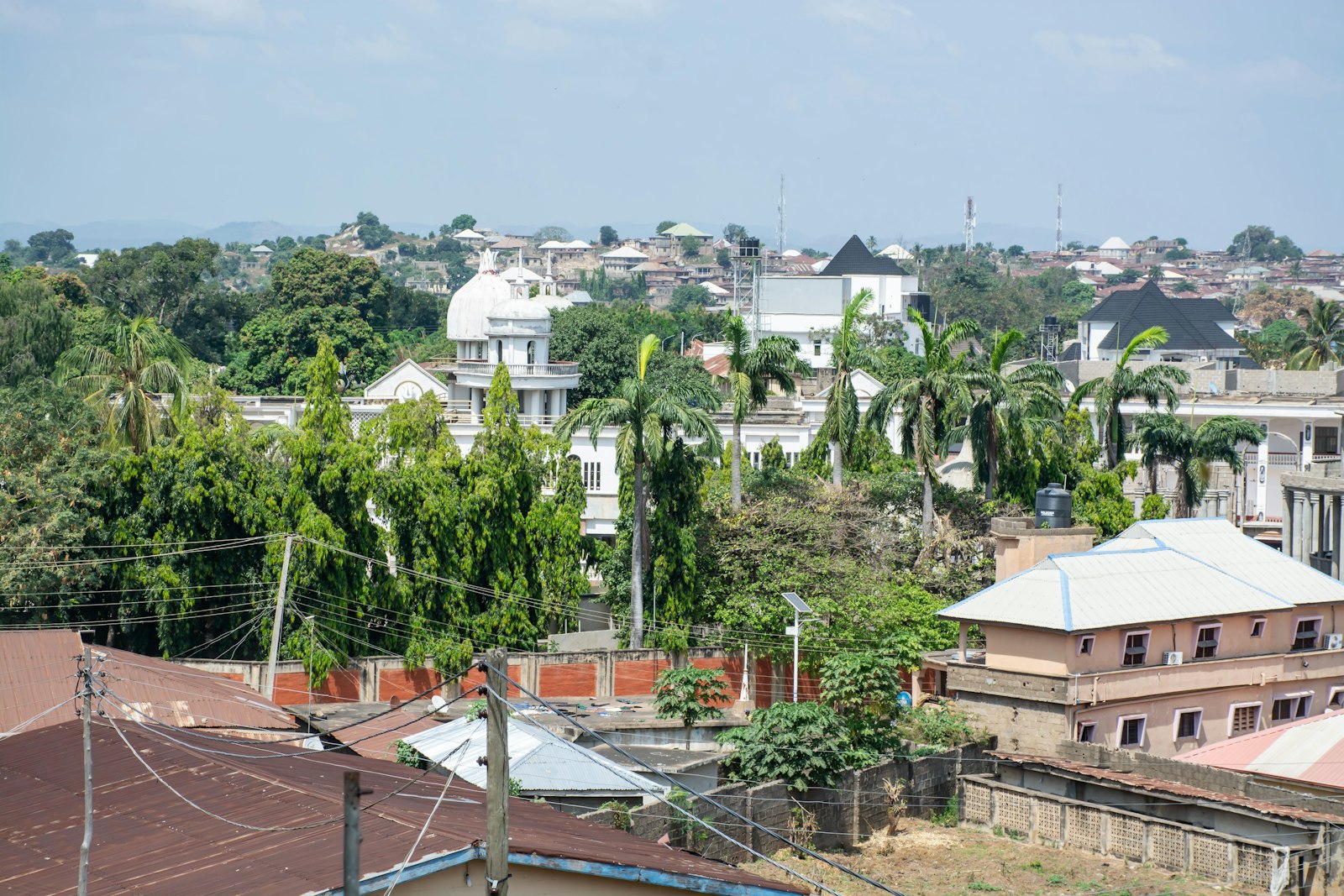
Ogun State has quietly become one of Nigeria's hottest land markets. Prices have doubled and tripled in key corridors over the past five years, and the state government is pouring record money into roads, airports, and industrial zones. If you are thinking about buying land in Ogun State in 2026, here is what the numbers say, where the opportunities are, and what to watch out for before you pay.
What Does Land Actually Cost in Ogun State Right Now?
Prices in Ogun State vary widely depending on where you buy, how close the land is to a major road, and whether it comes with proper documentation. But the trend is clear: land is getting more expensive across the board.
In the Mowe/Ofada corridor along the Lagos-Ibadan Expressway, a standard 600sqm residential plot now costs between ₦2.5 million and ₦6 million. That is a dramatic jump from 2019, when plots in the same area went for ₦500,000 to ₦1 million, according to Ownkey's Mowe-Ofada property guide. That is a 3x to 5x increase in just six years.
Other parts of Ogun show a similar pattern. According to Nigeria Property Centre's Q4 2026 market report, the median asking price per plot sits at:
- Ado-Odo/Ota: ₦3,000,000
- Ijebu Ode: ₦3,500,000
- Mowe Ofada: ₦7,200,000
Abeokuta, the state capital, shows a wider spread. Entry-level residential plots in outer neighbourhoods start from around ₦1.5 million, while plots in developed areas with tarred road access can reach ₦8 million or more, according to market estimates.
One important note: these prices reflect asking prices on listing platforms, not verified transaction data. Actual prices depend on factors like survey accuracy, title status, and proximity to key landmarks. Plots inside structured estates with a Certificate of Occupancy (C of O) typically command a premium over open-market land.
Why Is Ogun State Land Getting More Expensive?
Three forces are pushing Ogun State land prices upward: population pressure from Lagos, massive infrastructure investment, and an expanding industrial base. Each one reinforces the others.
The Lagos Spillover Effect
Lagos is bursting at the seams. According to a report by Sahara Reporters, an estimated 6,000 people arrive in Lagos every single day. Nearly half of them end up staying, looking for affordable places to live and work.
The problem is that Lagos cannot house them all. Rents keep climbing, land prices in even the outer Lagos corridors have priced out many buyers, and the resulting squeeze is pushing thousands of families and workers into border towns in Ogun State. Places like Mowe, Ibafo, Arepo, and Magboro have seen explosive residential growth because they offer what Lagos cannot: affordable land within commuting distance of Lagos jobs.
This is not a temporary trend. As long as Lagos remains Nigeria's economic centre without enough land to go around, Ogun State will keep absorbing the overflow. And that means sustained demand for residential and commercial land.
Infrastructure That Is Changing the Map
The Ogun State government is betting big on infrastructure. The state's 2026 budget hit ₦1.668 trillion, a 58% jump from ₦1.054 trillion in 2025, according to the Voice of Nigeria. The goal, in the government's own words, is to position Ogun as Nigeria's leading industrial and logistics hub.
Where is the money going? Major capital projects include:
- 450 kilometres of urban and rural roads across the state
- Completion of the Gateway International Airport Terminal
- Development of two dry ports (one federally funded, one through a public-private partnership)
- 3,000 new housing units
- Continued rehabilitation of the 140-kilometre Abeokuta-Lagos Expressway
The state has already completed the 42-kilometre Abeokuta-Sagamu Expressway and over 22 kilometres of road linking Ijoko, Agbado, and Alagbole. The 24-kilometre Ota-Itele-Lafenwa stretch is also in the 2026 budget pipeline.
Infrastructure is the single biggest driver of land value appreciation in Nigeria. When a road opens up an area that was previously hard to access, prices can jump 50% to 100% within a year or two. That is exactly what happened along the Lagos-Ibadan Expressway corridor, and it is set to repeat in parts of Ogun that are currently under construction.
Industrial Growth and Job Creation
Ogun State is not just a bedroom community for Lagos workers. It is a serious industrial economy in its own right. The state hosts over 6,000 registered industrial firms and between 2014 and 2017, it attracted more than 70% of all manufacturing investments coming into Nigeria, according to BusinessDay.
That industrial base creates a steady, structural demand for land. Factories need warehouses. Workers need homes. Service businesses spring up around both. And all of that translates into rising land values in areas with good road access and proximity to industrial clusters, particularly around Ota, Agbara, and the Sagamu interchange.
The state is doubling down with plans for the Olokola Free Trade Zone and a proposed deep-sea port, both of which would create new corridors of demand if they come online as planned.
Where in Ogun State Should You Buy Land?
Not every part of Ogun State offers the same investment potential. Location still matters more than anything else. Here are the four corridors worth watching:
Mowe/Ofada Corridor
This is the most active residential land market in Ogun State, driven by proximity to the Lagos-Ibadan Expressway and direct access to both Lagos and Ibadan. Prices are higher here than elsewhere in Ogun, but the growth track record is strong. If you are buying for resale or rental income, this corridor has the most proven demand.
Ado-Odo/Ota Axis
Ota sits right on the Lagos border and is Ogun's industrial heartland. It is home to a heavy concentration of manufacturing plants and logistics companies. Plot prices are still relatively moderate at a median of ₦3 million, but the area is catching up fast as Lagos's western expansion pushes into Ogun.
Abeokuta (State Capital)
As the seat of government and the destination for most of the state's infrastructure spending, Abeokuta offers a different kind of opportunity. Land here tends to be cheaper than in the Lagos-border corridors, and the ongoing road construction, airport completion, and housing projects could drive significant appreciation over the next three to five years.
Sagamu and Ijebu Ode
These towns sit along a major trade route and benefit from the completed Abeokuta-Sagamu Expressway. Median prices around ₦3.5 million in Ijebu Ode make this corridor attractive for buyers who want lower entry costs with solid long-term upside, especially if the Olokola port project materialises.
What to Watch Out For When Buying Land in Ogun State
Affordable prices and strong growth potential do not mean you can afford to skip due diligence. Land fraud and title disputes are real risks in Ogun State, just as they are anywhere in Nigeria. Here is how to protect yourself:
- Verify the title document. Insist on seeing a Certificate of Occupancy (C of O) or Governor's Consent. If the seller only has an Excision or a Gazette, confirm its validity with the Ogun State Lands Bureau before you proceed.
- Check for government acquisition. Some land in Ogun State falls under government acquisition for road or infrastructure projects. A simple search at the Lands Bureau can save you from buying land that the government can reclaim.
- Hire an independent surveyor. Do not rely on the seller's survey plan. Get your own surveyor to confirm the plot boundaries, check for encroachment, and verify that the coordinates match what is on the title.
- Prefer estate land with clear documentation. Buying within a structured estate that has done the heavy lifting on documentation, perimeter fencing, and road access reduces your risk significantly compared to open-market purchases from individual sellers.
- Visit the land physically. Photos and coordinates are not enough. Visit the site, talk to neighbours, and confirm there is no existing claim or ongoing dispute over the plot.
Is Ogun State Land Still a Good Investment in 2026?
The data points in one direction. Prices have risen sharply over the past five years, and the forces driving that growth (Lagos spillover, infrastructure spending, and industrial expansion) are not slowing down. If anything, the 2026 budget signals an acceleration.
That said, not every plot in Ogun State will appreciate equally. The best-performing land tends to be in corridors with strong road access, documented titles, and proximity to either Lagos or an industrial cluster. Buying cheap land in a remote area with no road and unclear documentation is a gamble, not an investment.
The smart approach is to focus on areas where demand is already visible and growing: the Mowe/Ofada corridor, the Ota industrial belt, the Abeokuta capital zone, and the Sagamu-Ijebu axis. Buy within a properly structured estate where the title is clean, the infrastructure is in place, and you are not left guessing about what you actually own.
Ready to Buy Land in Ogun State?
Land Republic offers verified, properly documented properties in key Ogun State growth corridors, including Mowe Prime and Ariya Springs. Every property comes with confirmed title documentation, estate infrastructure, and transparent pricing with no hidden fees.
Browse available properties at www.landrepublic.co/properties or call +234 812 222 2283 to speak with an adviser today. The window for affordable land in Ogun State is narrowing. The numbers say so.