Why Ogun State's Industrial Boom Makes Mowe-Ofada the Smartest Land Investment Corridor in 2026
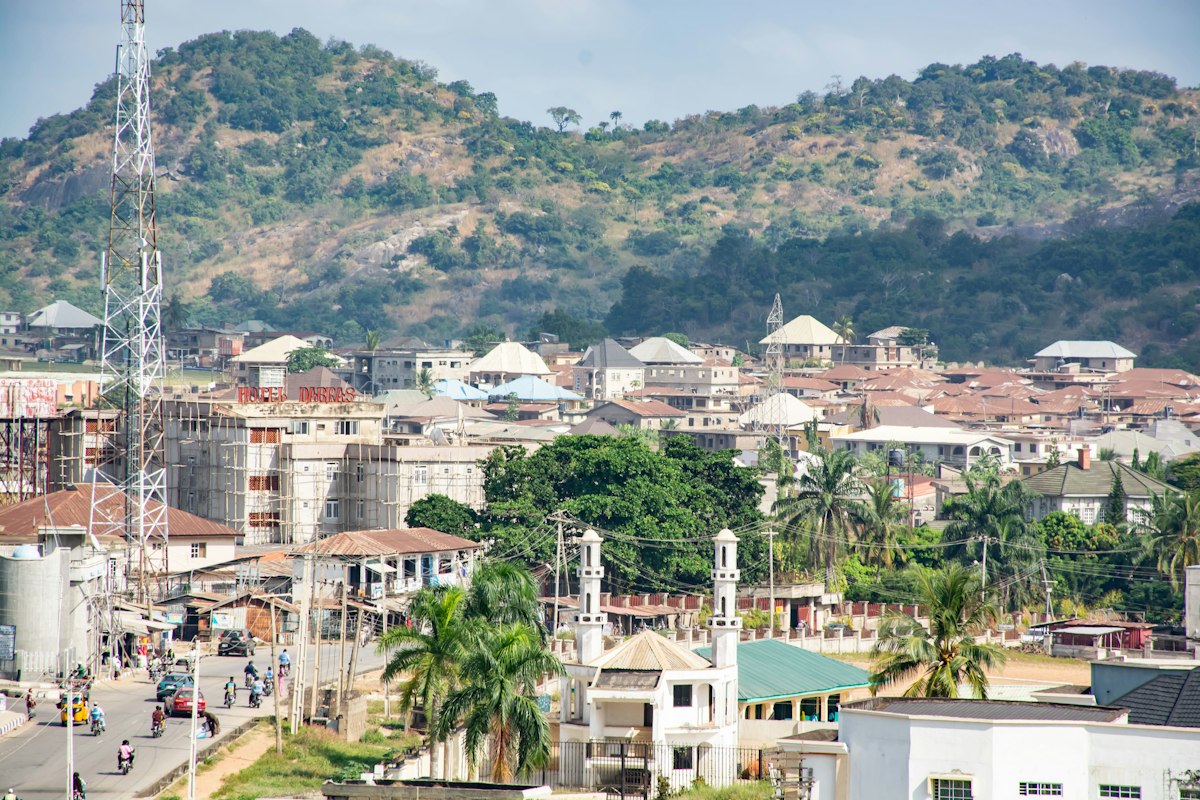
A $1.8 Billion Industrial Park Is Coming to the Lagos-Ibadan Expressway. Here Is What That Means for Land Buyers in Mowe-Ofada.
In the first week of November 2026, the Ogun State government confirmed that the Lee Group will break ground on a $1.8 billion, 450-hectare industrial park near the Sagamu Interchange along the Lagos-Ibadan Expressway. The project is expected to house 29 manufacturing factories and create over 2,500 direct and indirect jobs, with a projected gross development value of $3 billion (allAfrica, November 2026).
For anyone watching the Mowe-Ofada corridor, this is not just industrial news. It is a signal that the corridor's land market is entering a new phase of growth, driven not by speculation but by verifiable capital inflows.
This article breaks down what the data says about land prices, government investment, and infrastructure progress in Mowe-Ofada, and what it means for buyers looking at Ogun State in late 2026.
Where Land Prices Stand in Mowe-Ofada Today
According to listings on Nigeria Property Centre, the average asking price for a residential plot in Mowe-Ofada is approximately ₦6 million as of Q4 2026. That figure covers a wide range:
- 300 sqm plots in mid-range estates: ₦2.5 million to ₦3.9 million
- 500 sqm plots with government-approved titles: ₦3.5 million to ₦6.5 million
- Premium expressway-facing plots in gated estates: up to ₦15 million for 600 sqm
Compare that with a similar 500 sqm plot in Ajah, Lagos, where asking prices routinely start at ₦25 million and can exceed ₦60 million in established layouts. Mowe-Ofada offers buyers 60 to 75 per cent lower entry prices while sitting on the same Lagos-Ibadan transport corridor that connects to the Lekki-Ibeju axis.
Commercial land tells a different story. Nigeria Property Centre lists an average asking price of ₦35 million for commercial plots in the area, reflecting the growing demand from logistics and warehousing operators who want proximity to the expressway without Lagos-level costs.
Why the Numbers Are Moving: Ogun State's Record Budget and Revenue Growth
Ogun State's 2026 budget stands at ₦1.668 trillion, the highest in the state's history (Nairametrics). A significant portion of this is directed toward road construction, industrial infrastructure, and logistics hubs.
Behind that budget is a revenue trajectory that should interest any property investor. Ogun State's internally generated revenue (IGR) grew from ₦50 billion in 2020 to over ₦240 billion in 2025, and the state has set a 2026 target of ₦500 billion (Arise TV). This trajectory places Ogun among Nigeria's top non-oil revenue generators, alongside Lagos and Rivers.
Why does IGR matter to land buyers? Higher IGR means more government spending on roads, electricity, and water infrastructure. These are the amenities that transform raw land from a holding asset into a buildable, liveable investment. When a state is generating its own revenue at this rate, it does not have to wait for federal allocations to pave roads or extend power lines.
The Industrial Parks Pipeline: More Than Just Dangote
Ogun State has always been Nigeria's industrial gateway. The Dangote Group's operations in Ewekoro and Sagamu are well known. But the 2026 pipeline goes far beyond cement plants.
Here is what is confirmed or under construction along the corridor:
- Lee Group Industrial Park ($1.8 billion): 450 hectares near the Sagamu Interchange, housing 29 factories with a groundbreaking scheduled for November 12, 2026 (Ogun State Television).
- Dangote's 10,000-hectare deep seaport: Preliminary processes have begun at the Olokola Free Trade Zone, with stakeholder engagements in communities across Ogun and Ondo states (Nairametrics).
- DP World Gateway Deep Sea Port ($7 billion): An MoU signed in Paris on September 24, 2026, for a separate deep-sea port facility (The Guardian Nigeria).
- ATC Business and Industrial Park: Inaugurated in Ode-Remo in April 2026, providing ready-built industrial units for light manufacturing.
Each of these projects creates a demand chain: factories need workers, workers need housing, housing needs land. That chain runs directly through Mowe-Ofada, which sits at the junction of the Lagos-Ibadan Expressway and the Sagamu Interchange, the main artery connecting all of these industrial zones.
Nigeria's GDP Is Growing. Ogun State Is Growing Faster.
At the national level, Nigeria's GDP grew by 4.43 per cent in Q2 2026, according to the National Bureau of Statistics (Nairametrics, August 2026). This was driven by a rebound in the oil sector (7.3 per cent growth) and a steady 4.3 per cent expansion in non-oil activities.
Ogun State, with its concentration of manufacturing and agro-processing, captures a disproportionate share of that non-oil growth. The state government claims GDP growth from ₦3.5 trillion in 2019 to ₦18.96 trillion in 2026, although independent fact-checkers have flagged these figures as potentially overstated (FIJ Nigeria). What is not in dispute is the volume of investment flowing into the state and the physical evidence of industrial expansion visible along the expressway corridor.
What This Means for Mowe-Ofada Land Buyers in Late 2026
The Mowe-Ofada corridor benefits from a rare combination: low land prices, proximity to Lagos, proven infrastructure spending, and an industrial project pipeline worth tens of billions of dollars. Here is how to think about that if you are considering a purchase.
1. Entry prices are still accessible
At ₦2.5 million to ₦6.5 million for a residential plot, Mowe-Ofada remains one of the most affordable corridors within 60 minutes of Lagos Island. That window will narrow as the Lee Group park and other industrial projects create demand for worker housing.
2. Title verification is critical
Ogun State titles go through the state Lands Bureau, not the Lagos system. Buyers should insist on seeing a valid Certificate of Occupancy (C of O) or an approved survey plan registered with the Ogun State Surveyor General's office. The state's new digital land registry initiative is making verification easier, but due diligence remains essential.
3. Location within the corridor matters
Plots closer to the expressway and the Mowe-Ofada GRA command higher prices but also offer better appreciation potential. Plots deep in interior roads may be cheaper but carry higher holding risk if infrastructure does not reach them quickly.
4. Commercial land is a separate calculation
With an average asking price of ₦35 million, commercial plots in Mowe-Ofada are positioned for logistics and warehousing tenants who want Lagos adjacency at Ogun prices. If you have the capital and patience for a commercial hold, the industrial pipeline provides the demand thesis.
How Land Republic's Mowe Prime Fits Into This Corridor
Land Republic's Mowe Prime estate is located in the Mowe-Ofada axis of Ogun State, positioned along the corridor that benefits from all the infrastructure developments outlined above. The estate offers titled plots with verified documentation, a gated perimeter, and flexible payment plans designed for both first-time buyers and seasoned investors.
For buyers who want exposure to the Mowe-Ofada growth story without navigating the open market alone, Mowe Prime provides a structured entry point with proper title backing and estate-level infrastructure.
The Bottom Line
The Mowe-Ofada corridor is no longer a speculative play. With a $1.8 billion industrial park breaking ground in November, Ogun State's IGR growing nearly fivefold in five years, and a record ₦1.668 trillion state budget directed at infrastructure, the data points toward sustained demand for land in this corridor through 2027 and beyond.
For Lagos-based buyers priced out of Lekki and Ajah, and for diaspora investors looking for verifiable growth corridors, Mowe-Ofada offers the combination of affordability and fundamentals that is increasingly hard to find in the Nigerian property market.
Ready to explore available plots in the Mowe-Ofada corridor? Visit Land Republic's Mowe Prime page or call +234 812 222 2283 to speak with an advisor today.