Property Investment in Ajah Lagos: Why Abraham Adesanya Is the Corridor to Watch in 2026
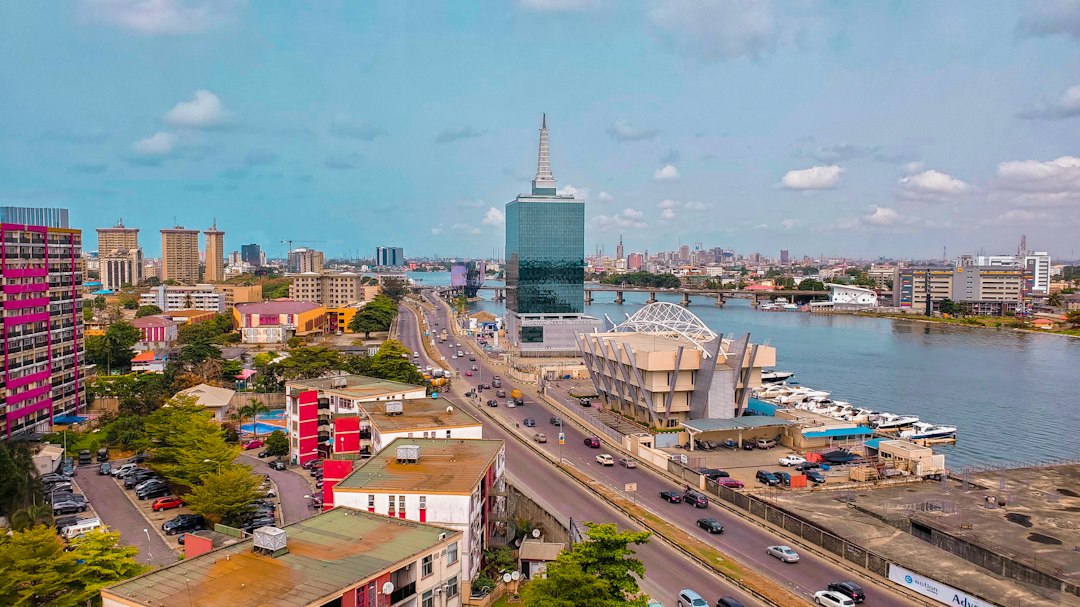
Why the Ajah Corridor Is Rewriting Lagos Real Estate Rules
For most of the last decade, conversations about Lagos property investment started and ended with two names: Lekki Phase 1 and Ikoyi. They were the benchmarks, the places where serious money parked itself. That story is shifting.
In 2026, a different corridor is capturing investor attention. The stretch from Abraham Adesanya Estate through the wider Ajah axis has moved from "affordable alternative" to "primary growth zone," and the numbers back it up. According to The Africanvestor's 2026 Lagos forecast, Ajah ranks among the three fastest-rising property areas in Lagos, with projected price growth of 14% to 22% this year alone.
That is not speculative enthusiasm. It reflects a structural shift in how Lagos is growing, where infrastructure is being built, and where the next wave of middle-class homebuyers and renters want to live. This article breaks down the data, compares the corridors, and explains why the Abraham Adesanya axis deserves a serious look from anyone buying property in Lagos.
What Properties Actually Cost in Abraham Adesanya Today
Numbers tell a clearer story than marketing claims. Here is what the Abraham Adesanya corridor looks like in September 2026, based on live listing data from Nigeria Property Centre.
There are over 1,850 properties currently listed for sale or rent in the Abraham Adesanya Estate area. The breakdown tells you where the market is heading:
- Land plots: Prices range from approximately N43 million to N250 million, with an average around N120 million depending on plot size and proximity to the expressway.
- Semi-detached duplexes: N80 million to N130 million for newly built units with standard finishing.
- Detached duplexes: Starting at N150 million, with premium builds exceeding N200 million.
- Apartments: N30 million to N80 million for 2-3 bedroom units, depending on finishing and proximity to major roads.
Compare that to Lekki Phase 1, where similar-sized land plots start at N250 million and can reach N500 million according to ATLS Realtors' 2026 Lekki price guide. Ajah is delivering the same Lagos address, the same proximity to commercial hubs, at 40% to 60% less than its more established neighbour. That price gap is what investors mean when they talk about "value corridor" opportunities.
These are not static numbers either. Prices along the Lekki-Ajah axis have been on a steady upward trajectory. Properties per square metre in developing corridors like the Lekki-Epe axis are priced at N450,000 to N900,000, according to Dirichi Properties' Lagos market data. For context, island locations like Lekki Phase 1 and Oniru sit at N120 million to N250 million for residential homes. The gap is narrowing, which is exactly the signal value-oriented investors look for.
The Infrastructure That Is Turning Ajah Into a Growth Engine
Property prices do not rise in a vacuum. Behind every price surge, there is usually a road, a bridge, or a port being built. Ajah has all three forces working simultaneously.
The Lekki-Epe Expressway Expansion
The ongoing expansion of the Lekki-Epe Expressway continues to pull development eastward along the Lagos coastline. For the Abraham Adesanya area specifically, this means improved commute times, better road surfaces, and reduced flooding on access roads. The expressway is the arterial connection linking Ajah to Victoria Island, Ikoyi, and the Lagos mainland, and every improvement on it raises the livability score of surrounding estates.
For property buyers, the expressway expansion matters because it directly affects two things: rental demand and resale value. A shorter commute from Ajah to VI makes the area more attractive to the young professionals who drive rental demand. And improved road quality signals to the market that government infrastructure spending is active, not theoretical.
The Lekki Deep Sea Port
The Lekki Deep Sea Port, fully operational since April 2023, is Nigeria's largest deep-water port and one of the biggest in West Africa. Its impact on the Ajah-Lekki corridor goes beyond shipping logistics. The port has attracted a cluster of warehousing, logistics, and light manufacturing businesses to the Lekki Free Trade Zone, creating thousands of jobs. Workers at these facilities need housing, and the Abraham Adesanya corridor is the closest affordable residential zone to the industrial activity.
The ripple effect is measurable. As the Free Trade Zone matures, surrounding residential areas benefit from increased rental demand. Ajah is positioned to absorb much of this demand because it offers established estates, functioning road networks, and proximity to schools, hospitals, and retail centres that workers need for daily life.
The Fourth Mainland Bridge (Proposed)
The proposed Fourth Mainland Bridge, a 38-kilometre structure that would connect Lekki to Ikorodu across the Lagos Lagoon, remains one of the most anticipated infrastructure projects in the city's history. While construction has faced delays, the Lagos State Government has continued to advance planning through its Public-Private Partnership framework. The Chinese CCECC-CRCCIG Consortium was announced as the preferred bidder.
If completed, the bridge would make Ajah a junction point on Lagos' ring-road network rather than a terminus, fundamentally changing its connectivity profile. Property investors who bought in Ajah before the bridge breaks ground will be the primary beneficiaries of the price appreciation that follows.
Nigeria's Economic Numbers Favour Real Estate Right Now
The macro picture adds weight to the corridor-level story. Nigeria's GDP grew by 4.43% year-on-year in Q2 2026, according to the National Bureau of Statistics (NBS). That is up from 3.89% in Q1 and represents the strongest quarterly performance since the post-COVID recovery period.
What matters for property investors is the composition of that growth. The NBS identified real estate, construction, and trade as key contributors to non-oil sector expansion, which accounted for 95.84% of GDP during the quarter. Real estate alone contributed 12.71% of the nation's real GDP, according to Nigeria Housing Market.
The services sector, which includes real estate, grew by 4.60% in Q2 2026, compared to 3.94% in the same quarter last year. This is not a market propped up by oil revenues or government spending. It is being driven by domestic demand for housing, commercial space, and construction services. For investors choosing where to deploy capital, the message from the national data is clear: Nigerian real estate is in a growth cycle, and the question is where, not whether, to invest.
How Ajah Compares to Other Lagos Investment Corridors
Every Lagos investor faces the same question: where does my money work hardest? Here is how Ajah stacks up against the corridors most commonly compared to it.
Ajah vs. Lekki Phase 1
Lekki Phase 1 is established and expensive. Average land prices sit above N250 million per plot. The upside is stability and prestige, but the entry cost locks out most individual investors. Ajah delivers comparable infrastructure and proximity at 40% to 60% lower entry cost, with faster appreciation rates. According to Dirichi Properties' 2026 market overview, mid-market areas like Ajah range from N95 million to N160 million for residential properties, well below Lekki Phase 1 territory.
Ajah vs. Sangotedo
Sangotedo sits further along the Lekki-Epe axis and offers even lower entry prices. However, infrastructure maturity lags behind Ajah. Abraham Adesanya benefits from being closer to developed commercial centres, having more established estate layouts, and offering better access to the expressway. For investors who prioritise livability and rental income now rather than speculative appreciation later, Ajah wins this comparison.
Ajah vs. Ibeju-Lekki
Ibeju-Lekki is the long-play bet, anchored by the Free Trade Zone and the Deep Sea Port. Properties that sold for N15 million per plot in 2024 now command N25 million to N35 million, a 66% to 133% jump according to market data compiled by Salesville Properties. But Ibeju-Lekki remains a developing frontier with limited social infrastructure. Ajah offers more immediate livability, better rental yields, and a proven residential track record. For investors who want both cash flow and growth, Ajah is the balanced choice.
Who Is Buying in Ajah Right Now?
The buyer profile in the Abraham Adesanya corridor has shifted noticeably over the past two years. Three groups now dominate the market.
Young professionals: Workers aged 28 to 40 employed in Victoria Island, Lekki, and the Free Trade Zone are the primary rental market. They want 2-3 bedroom apartments with good finishing, reliable estate security, and reasonable commute times. Abraham Adesanya checks all three boxes.
Diaspora investors: Nigerians living abroad continue to see Lagos land as a hedge against naira depreciation. Ajah's combination of verified estate titles, transparent pricing, and active development makes it more attractive than unstructured land purchases in less organized areas.
First-time buyers: The entry price point in Ajah allows first-time buyers to access Lagos real estate without needing the N200 million-plus required in Lekki Phase 1 or Ikoyi. For this group, the Abraham Adesanya corridor represents the most accessible route into Lagos property ownership.
What to Verify Before You Buy
The opportunity in Ajah is real, but so are the risks that come with any Lagos property purchase. Before committing capital, buyers should confirm three things:
- Title documentation: Confirm whether the property carries a Certificate of Occupancy (C of O), Governor's Consent, or a registered survey. In the Abraham Adesanya area, most organized estates have clear title paths, but individual plots can vary.
- Estate development status: Verify whether the estate is actively developing (roads, drainage, perimeter fencing) or still in early stages. Buy into estates where infrastructure is already visible on the ground.
- Developer track record: Work with developers who have a history of delivering on timelines and providing post-purchase support. Ask for references from existing buyers and visit completed projects before committing.
Take the Next Step
Land Republic is actively developing in the Lagos corridor, with residential projects designed for buyers who want verified titles, transparent pricing, and flexible payment plans. Whether you are buying your first property or adding to an existing portfolio, the team can help you evaluate opportunities in the Ajah-Lekki axis and across other high-growth locations in Lagos, Ibadan, and Ogun State.
Call +234 812 222 2283 or visit www.landrepublic.co to book a free consultation and get started.